
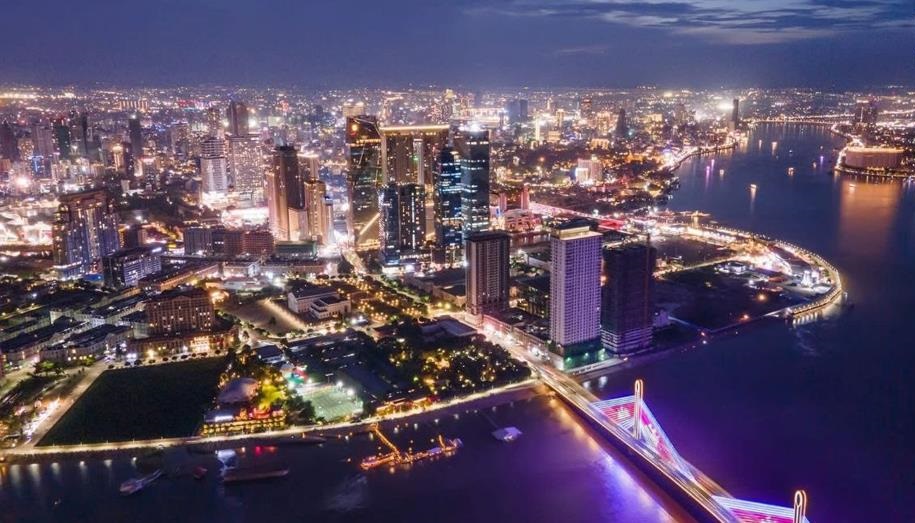
The global investment map is being redrawn in 2026, and savvy capital is flowing toward a surprising destination: Cambodia. Once considered a frontier market, the Kingdom has transformed into a strategic hub for Eurasia-ASEAN connectivity. For investors from the US and UK, Cambodia represents a rare “Goldilocks” opportunity—an economy that is not too small to matter, yet not too crowded to be overpriced.
Key Takeaways
- Rapid Growth: Cambodia remains one of the fastest-growing economies in Southeast Asia, fueled by massive infrastructure upgrades.
- Strategic Diversification: The government’s 2026 policy focuses on diversifying global partnerships beyond regional blocks.
- Investor-Friendly Laws: 100% foreign ownership of companies and a dollarized economy significantly lower the barriers for Western stakeholders.
- Infrastructure Leap: Official reports from AKP indicate that new international airports and expressway networks are drastically reducing logistics costs for exporters.
Why 2026 is the Turning Point
For decades, Cambodia was synonymous with the garment industry and tourism. However, as we move through 2026, the narrative has shifted toward high-value manufacturing, green energy, and digital services. Think of Cambodia not just as a neighbor to Thailand and Vietnam, but as the “Gateway of the Mekong.”
Just as Singapore became a financial hub and Vietnam became a manufacturing powerhouse, Cambodia is carving out its niche as the regional logistics and renewable energy center. Based on data released by AKP, the Kingdom’s commitment to a “Policy of Diversification” has opened doors for Western investors to enter sectors that were previously dominated by regional players.
The “Dollarization” Advantage
One of the most compelling analogies for US investors is to view Cambodia as a “Dollar-Pegged Hub.” Because the US Dollar is used for most major transactions, American investors face minimal currency risk compared to other emerging markets. It is like investing in an emerging economy with the currency stability of a domestic market.
Sector Spotlight: Where the Capital is Flowing
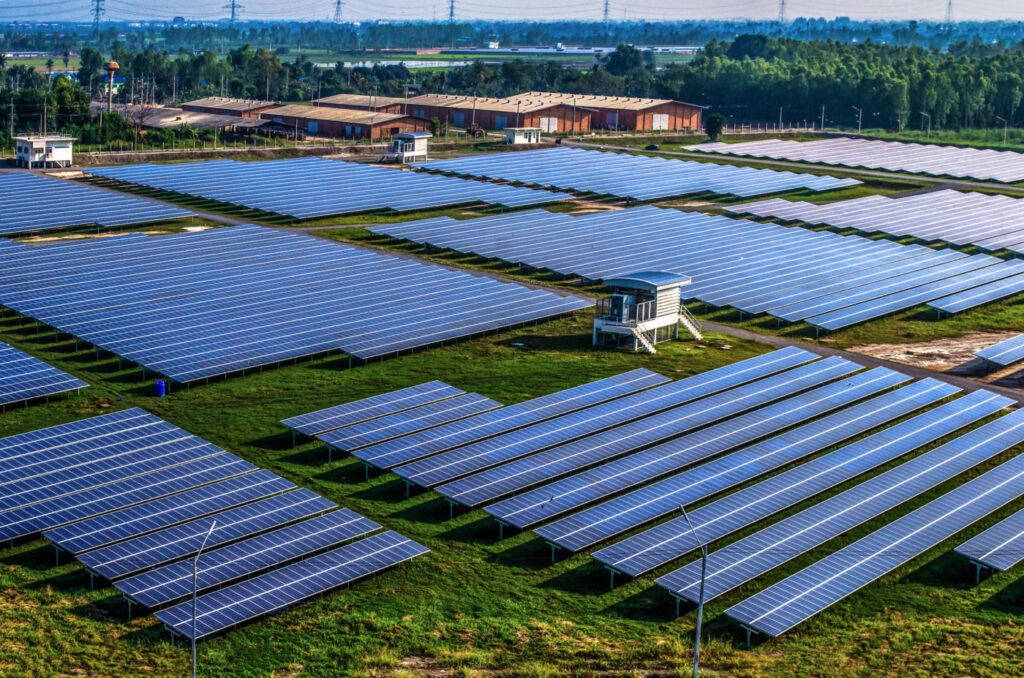
- Renewable Energy: With a goal to reach 70% renewable energy by 2030, the Kingdom is hungry for Western technology and capital.
- Agri-Tech: Moving from raw exports to processed goods (cashews, rice, rubber) offers massive ROI.
- Real Estate & SEZs: Special Economic Zones are seeing a surge in Western manufacturing firms looking to diversify away from traditional hubs.
The state news agency (AKP) highlighted that the recent inauguration of the Board of Peace and high-level diplomatic meetings in Washington, D.C., have further cemented the investment climate’s stability, providing the “political insurance” that UK and US institutional investors demand.
Executive Summary
- Investment Climate: Highly open; 100% foreign ownership allowed in most sectors.
- Currency: Dual-currency system with heavy US Dollar usage.
- Key Growth Drivers: Digital transformation, infrastructure, and green energy.
- Geopolitical Stability: Official reports from AKP indicate a strong commitment to peaceful, law-based international relations and partnership diversification.
- Market Position: A strategic bridge between the RCEP and Western markets.
FAQ: People Also Ask
Absolutely. Cambodia has modernized its investment laws to provide strong legal protections for foreign assets. The state news agency (AKP) highlighted that the country’s commitment to international law remains its top priority.
While land ownership is technically reserved for citizens, foreigners can own property through “Strata Titles” (condominiums from the 1st floor up) or via a land-holding company, which is a common practice for UK and US investors.
2026 marks the maturity of major infrastructure projects like the Techo International Airport and the completion of key expressways, turning the country into a true regional logistics hub.