Ta Prohm
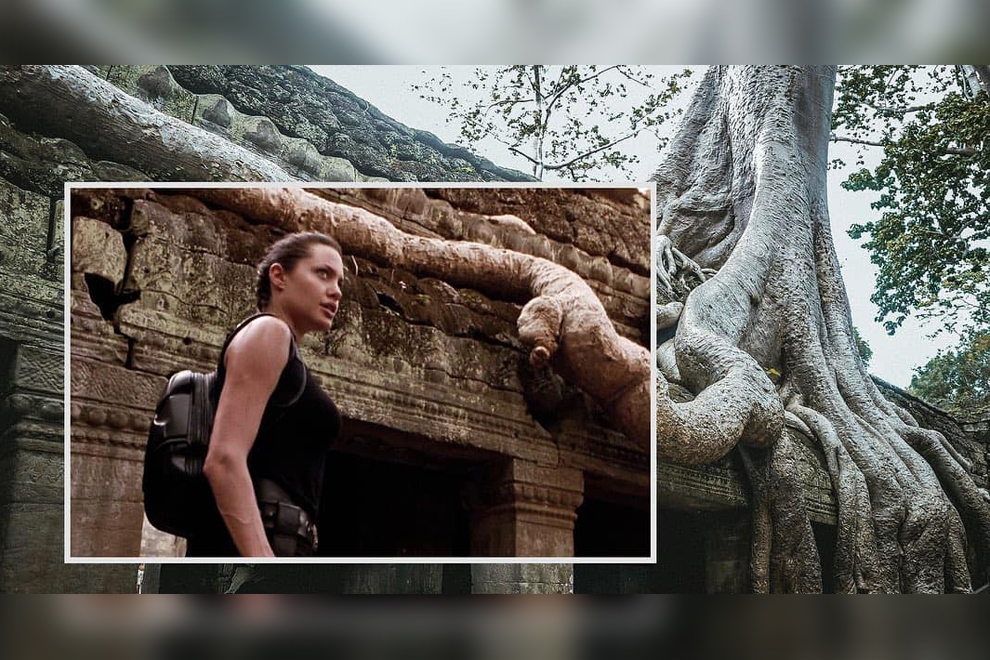
Ta Prohm is a 12th-century Buddhist temple located within the Angkor Archaeological Park near Siem Reap, Cambodia. Known for its striking integration of nature and architecture, the temple is enveloped by massive trees whose roots intertwine with its ancient stone walls, creating one of Angkor’s most iconic and atmospheric sites.
Key facts
-
Location: Angkor Archaeological Park, Siem Reap, Cambodia
-
Constructed: Late 12th to early 13th century
-
Commissioned by: Jayavarman VII
-
Original name: Rajavihara (“Monastery of the King”)
-
UNESCO World Heritage Site: Part of Angkor (inscribed 1992)
Historical background
Ta Prohm was built by King Jayavarman VII as a Mahayana Buddhist monastery and university dedicated to his mother. At its height, it housed over 12,000 people, including monks, priests, and attendants. The temple formed part of a vast religious complex reflecting the Khmer Empire’s wealth and devotion.
Architecture and layout
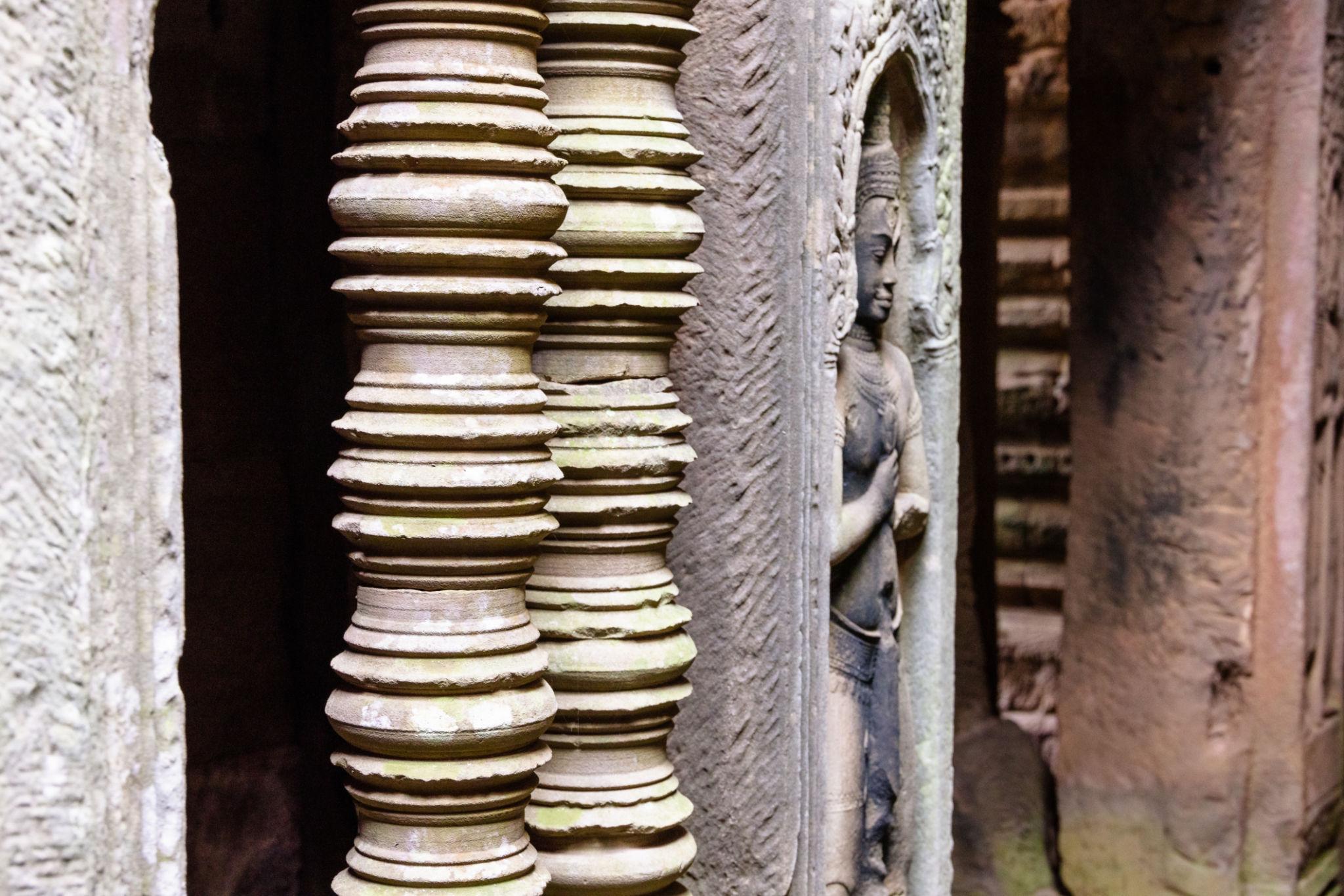
Constructed primarily of sandstone, Ta Prohm follows the Bayon architectural style, featuring long galleries, courtyards, and tower sanctuaries. Unlike other restored Angkor temples, Ta Prohm has been deliberately left in much of its overgrown state to preserve its “natural” appearance. This decision highlights the balance between human craftsmanship and the reclaiming power of the jungle.
Natural integration and conservation
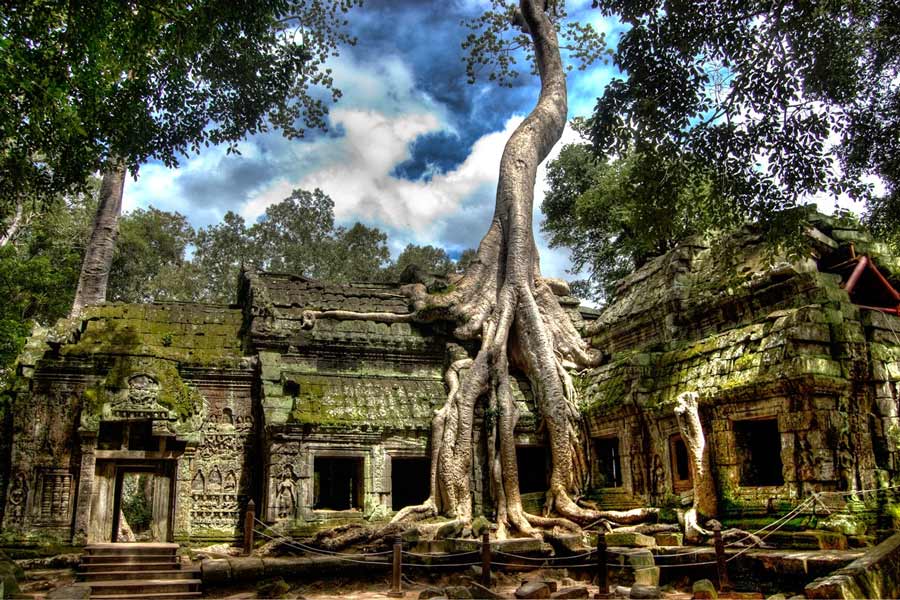
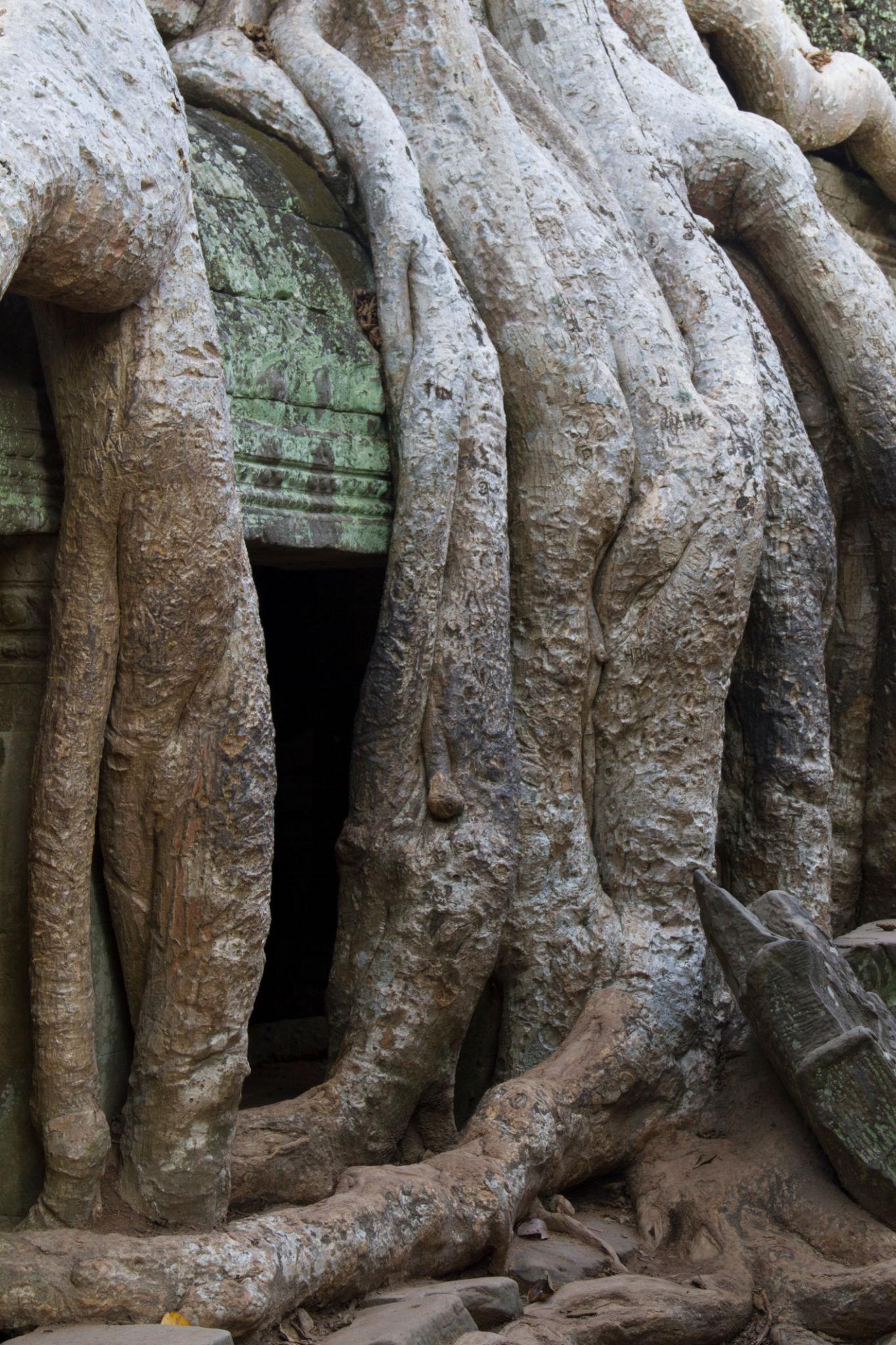
The temple’s famous silk-cotton and strangler fig trees drape over the stone structures, making it a dramatic example of the interplay between nature and heritage. Conservation efforts by the Archaeological Survey of India and the APSARA National Authority aim to stabilize the ruins while maintaining this distinctive atmosphere.
Cultural significance
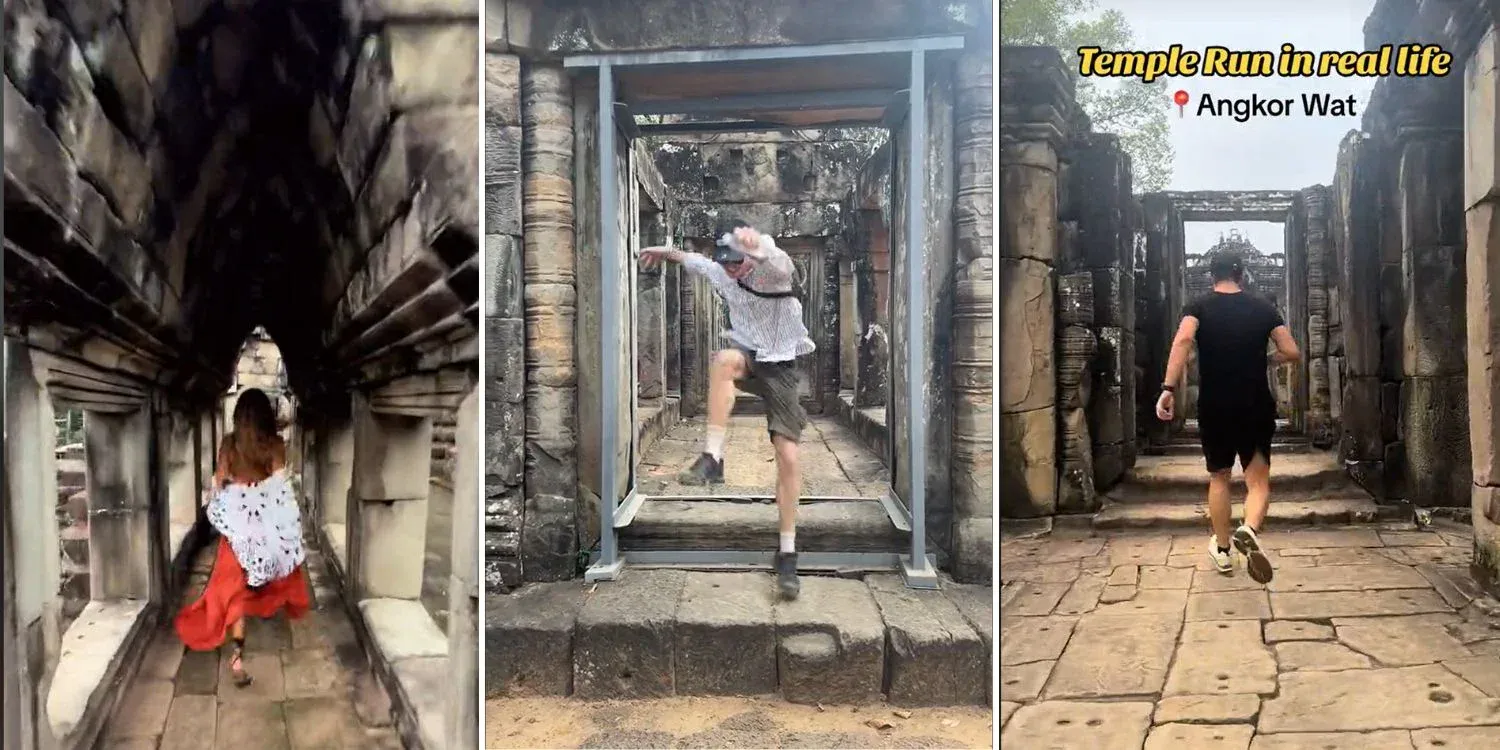
Ta Prohm gained global recognition after appearing in the 2001 film Lara Croft: Tomb Raider, which showcased its tree-entwined towers. It remains one of the most visited and photographed temples at Angkor, symbolizing both the grandeur and fragility of Cambodia’s cultural heritage.