
On April 3, 2026, Prime Minister Hun Manet delivered a firm and unequivocal directive: Cambodia will not tolerate illegal fuel smuggling from Thailand, and the Kingdom has no need for Thai energy imports to meet its domestic demand. This declaration, backed by orders for a comprehensive investigation and threats of severe penalties including license revocation for complicit companies, signals a decisive shift in the nation’s energy policy. For investors, this is not just a headline; it is a clear signal of Cambodia’s commitment to energy security and the rule of law, which are critical pillars for a stable and predictable investment climate.
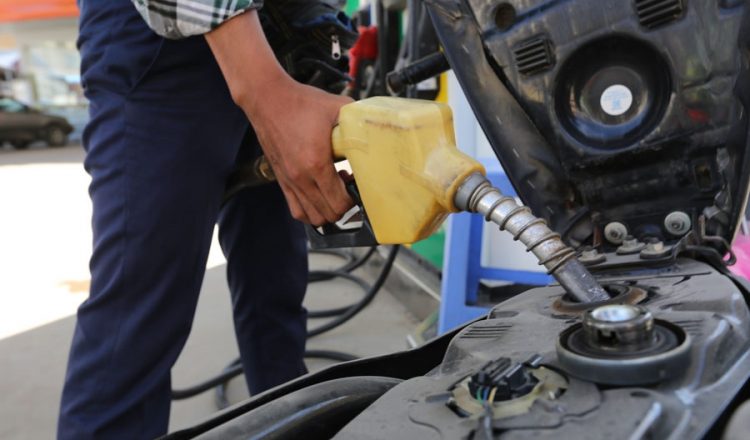
Let’s move beyond the news and delve into the underlying economic drivers, the strategic realignment of Cambodia’s supply chains, and what this means for your business.
⛓️ The Geopolitical and Economic Context
This high-stakes crackdown is not happening in a vacuum. It is the culmination of several converging pressures:
- A Post-Conflict Supply Gap: Cambodia officially suspended all fuel and gas imports from Thailand in June 2025, following severe border clashes. This decision created an immediate supply gap that needed to be filled.
- Regional Export Restrictions: Simultaneously, key traditional suppliers like Vietnam and China imposed export restrictions to manage their own domestic shortages, further squeezing Cambodia’s access to fuel.
- Global Energy Turmoil: The ongoing Middle East conflict continues to disrupt global fuel availability and drive up prices, making every liter of fuel a high-stakes commodity.
In this environment, the incentive for cross-border smuggling—exploiting price differences between Thailand and Cambodia—becomes immense. The Prime Minister’s order is a direct response to reports of such illegal networks, which undermine legitimate businesses and state revenue.
🔄 A New Era of Supply Chain Diversification
The most critical takeaway for investors is the government’s proactive and successful pivot to alternative, more reliable supply sources. Cambodia is no longer dependent on a handful of neighbors.
Energy Minister Keo Rottanak has confirmed that Cambodia is actively boosting imports from Singapore and Malaysia to offset the shortfalls. This strategic diversification, which also includes preliminary talks to secure Australian LNG, significantly enhances the country’s energy security. This shift makes Cambodia a more resilient partner for energy-reliant industries.
⚖️ The Investment Takeaway: Risk Mitigation and Opportunity
The government’s actions here serve a dual purpose, directly relevant to your audience:
- Mitigating Risk for Existing Industries: By aggressively ensuring a stable fuel supply through tax relief and diversification, the government is protecting the backbone of the economy. Industries like manufacturing, logistics, agriculture, and tourism—all heavily dependent on fuel—can continue to operate without crippling disruption.
- Creating New Investment Opportunities: This energy transition is not just about plugging a gap; it’s about building the future. The government has simultaneously introduced tariff reductions on electric vehicles (EVs), solar energy systems, and other green goods. For international investors, this is a clear invitation to participate in Cambodia’s green energy transition, moving the nation toward its goal of 70% renewable energy by 2030.
💡 Key Takeaways for Investors
- Energy Security is a Government Priority: The swift and severe response to smuggling allegations, combined with active supply chain diversification, demonstrates that ensuring a stable energy supply is a top national priority.
- Operational Stability is Strengthened: For businesses operating in Cambodia, the government’s actions, including fuel subsidies and tax relief, are designed to keep costs manageable and operations running smoothly, mitigating the impact of global price shocks.
- The Green Transition is Accelerating: The door is wide open for foreign investment in Cambodia’s renewable energy and EV sectors. The government is actively creating a favorable policy environment for green growth.
🔗 Strategic Energy and Economic Resources
To build a comprehensive understanding of the Cambodian market, explore these related insights: